
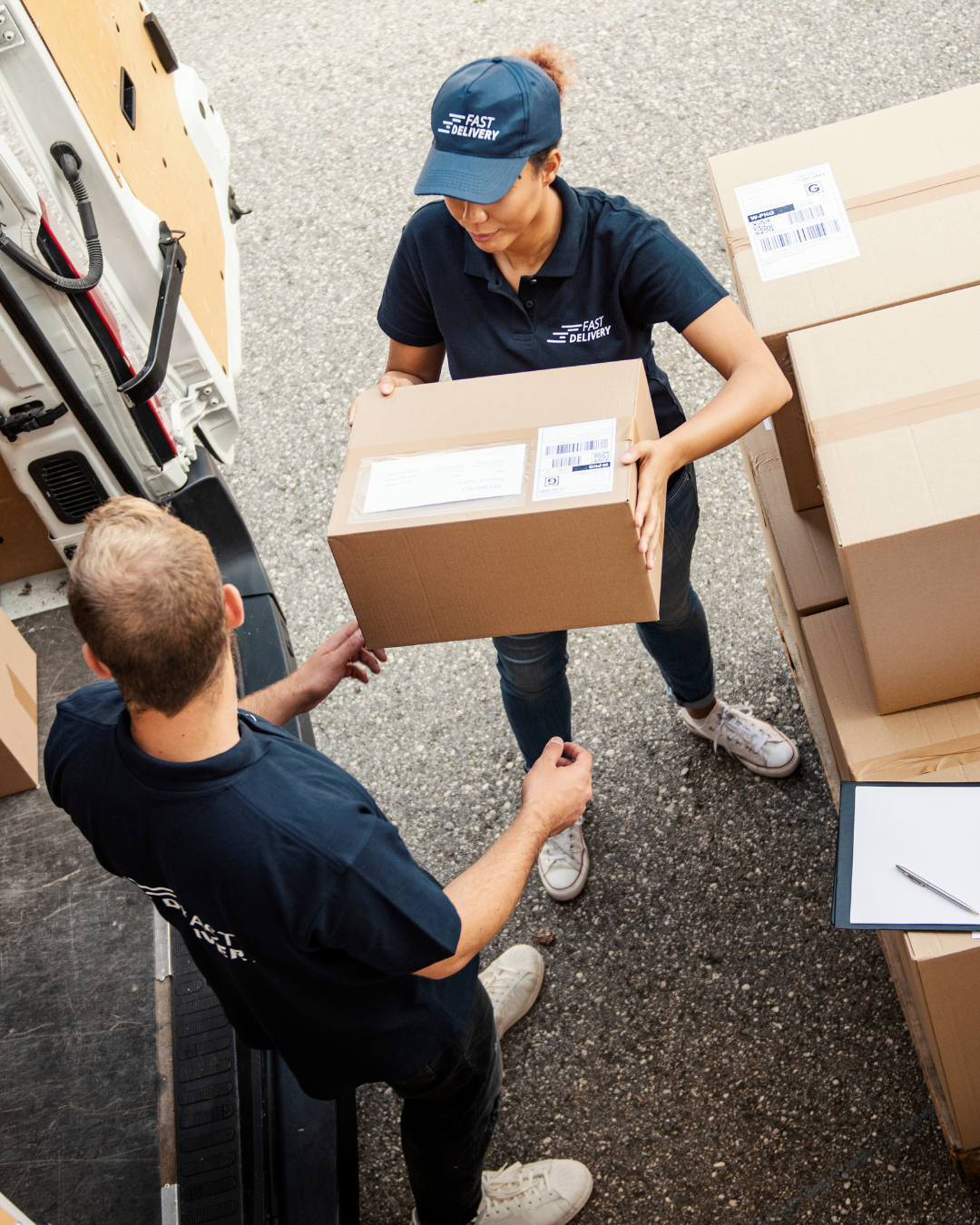
In today’s fast-moving retail and e-commerce landscape, the final step in the delivery process (known as the last mile) has become one of the most critical components of modern supply chain management. As online shopping continues to grow, businesses are under increasing pressure to deliver goods faster, more accurately, and with complete visibility.
For both retail brands and e-commerce businesses, last mile delivery is no longer just a logistics function. It is a direct driver of customer experience, customer satisfaction, and long-term brand loyalty. Organizations that invest in smarter last mile delivery solutions gain a measurable competitive advantage in today’s crowded market.
Why Last Mile Delivery Matters More Than Ever
The last mile is the final handoff between a distribution center, warehouse, or transport hub and the end user. While it may be the shortest segment of the journey, it is often the most expensive and complex.
Key factors shaping last mile delivery today include:
- Rising consumer demand for faster delivery times
- Growth in omnichannel retail and order fulfillment models
- Increased pressure on operational efficiency and profit margins
- Higher expectations for transparency and real-time tracking
In both retail and e-commerce logistics, a delayed or failed package delivery can quickly damage customer trust. On the other hand, reliable and efficient delivery services strengthen customer retention and improve overall service quality.
Core Challenges in Retail and E-Commerce Last Mile Delivery
Retailers and e-commerce businesses face several recurring challenges in the last mile:
1. Fragmented Supply Chain Networks
Modern delivery logistics often rely on a mix of carriers, couriers, and freight transport providers. While this adds flexibility, it increases complexity across the supply chain.
2. Inventory and Fulfillment Alignment
Balancing inventory across warehouses, distribution centers, and retail locations is critical for efficient order fulfillment. Poor visibility can lead to delays, stockouts, or inefficient routing.
3. Rising Delivery Costs
Fuel, labor, and infrastructure constraints continue to increase delivery costs. Without optimization, last mile logistics can reduce profitability.
4. Traffic Congestion and Urban Delivery Barriers
Congested urban areas impact routing, delivery times, and fleet productivity, making it harder to meet tight delivery windows.
Key Last Mile Delivery Solutions for Retail and E-Commerce
To overcome these challenges, businesses are adopting technology-driven strategies that improve both efficiency and customer experience.
Micro-Fulfillment and Distributed Inventory
Micro-fulfillment centers position inventory closer to the end user, reducing delivery distance and improving speed. These smaller facilities complement larger warehouses and distribution centers by enabling faster, localized delivery.
Benefits include:
- Faster delivery times and improved customer satisfaction
- Reduced freight transport costs
- Better demand forecasting and inventory management
- Increased flexibility for omnichannel fulfillment
By aligning inventory with real-time demand, businesses can improve both operational efficiency and scalability.
Advanced Route Optimization and Analytics
Efficient routing is essential for reducing delivery delays and controlling costs. Modern logistics companies use analytics, artificial intelligence, and advanced algorithm-based routing systems to optimize delivery routes.
These systems consider:
- Traffic congestion and road conditions
- Delivery windows and customer preferences
- Vehicle capacity and fleet availability
- Real-time data and predictive analytics
This level of optimization improves delivery performance, reduces fuel consumption, and enhances overall productivity.
Real-Time Visibility and Proof of Delivery
Visibility is a cornerstone of effective last mile logistics. Retailers and e-commerce businesses rely on real-time tracking systems and proof of delivery tools to monitor shipments from dispatch to final handoff.
Key benefits include:
- Improved communication with customers
- Faster resolution of delivery issues
- Increased transparency across the supply chain
- Enhanced customer experience
Customers expect accurate ETAs, delivery notifications, and confirmation upon arrival. Providing this level of visibility builds trust and improves brand perception.
Flexible Delivery Models and Carrier Networks
Modern last mile strategies rely on diversified carrier networks, including:
- Regional courier services
- Third-party logistics providers (3PLs)
- Dedicated fleet operations
- Hyperlocal delivery partners
This flexibility allows businesses to scale quickly, adapt to demand fluctuations, and maintain consistent service levels across different markets.
By leveraging multiple carriers and delivery services, organizations reduce dependency on a single provider and improve resilience.
Automation and Integrated Logistics Technology
Automation plays a key role in improving workflow and reducing manual errors in last mile operations. Integrated systems (such as warehouse management systems, order fulfillment platforms, and delivery management software) connect every stage of the supply chain.
Automation enables:
- Faster order processing and dispatch
- Improved coordination between warehouse and delivery teams
- Reduced labor costs and operational complexity
- Better data-driven decision-making
Technology-driven logistics solutions allow businesses to operate more efficiently while maintaining high service quality.
Sustainability and Eco-Friendly Delivery Strategies
Sustainability is becoming a priority for both businesses and consumers. Retail and e-commerce companies are adopting greener delivery models to reduce their carbon footprint.
Common strategies include:
- Electric vehicle and hybrid delivery fleets
- Route optimization to reduce fuel consumption
- Consolidated deliveries and reduced packaging waste
- Investment in sustainable infrastructure
These initiatives not only reduce environmental impact but also enhance brand reputation and align with evolving consumer expectations.
How Last Mile Delivery Drives Customer Satisfaction and Retention
In retail and e-commerce, the delivery experience is often the final touchpoint between a brand and its customer. A seamless last mile process directly impacts:
- Customer satisfaction
- Repeat purchases and retention
- Online reviews and brand perception
- Overall customer experience
Businesses that consistently meet delivery expectations build stronger relationships with their customers. Reliable delivery services create trust, while delays or errors can quickly lead to lost sales.
The Future of Last Mile Logistics for Retail and E-Commerce
As demand continues to grow, last mile delivery will remain a key area of innovation. Emerging technologies such as delivery robots, autonomous vehicles, and advanced AI-driven logistics platforms are reshaping the industry.
At the same time, businesses must continue to balance:
- Speed vs. cost
- Efficiency vs. scalability
- Technology investment vs. operational simplicity
Organizations that embrace data, automation, and flexible logistics strategies will be best positioned to succeed in an increasingly competitive market.
Partner with LDK Logistics for Reliable Last Mile Delivery Solutions
At LDK Logistics, we specialize in delivering tailored last mile delivery solutions designed to support retail and e-commerce supply chains. Our team combines advanced technology, strategic routing, and scalable delivery services to help businesses improve efficiency, reduce costs, and enhance customer satisfaction.
From order fulfillment and freight shipping to specialized delivery services and real-time visibility, we provide end-to-end logistics solutions that align with your business goals.
If you’re looking to optimize your last mile operations and create a better customer experience, contact LDK Logistics today to request a quote and learn how we can support your supply chain.
Frequently Asked Questions
Q1.What is last mile delivery in retail and e-commerce?
Last mile delivery refers to the final step in the supply chain, where goods are transported from a warehouse or distribution center to the end customer.
Q2.Why is last mile delivery so expensive?
It involves complex routing, multiple delivery stops, labor costs, and challenges like traffic congestion, making it the most resource-intensive part of the delivery process.
Q3.How can businesses improve last mile delivery efficiency?
By using route optimization software, real-time tracking, diversified carrier networks, and automation tools to streamline operations.
Q4.What role does technology play in last mile logistics?
Technology enables data analysis, predictive analytics, real-time visibility, and automation, all of which improve delivery performance and customer experience.
Q5.How does last mile delivery impact customer satisfaction?
Fast, accurate, and transparent deliveries create positive experiences, leading to repeat business and stronger customer loyalty.

